A Day of Celebration Turned to Tragedy: The Rhode Island Hockey Rink Shooting
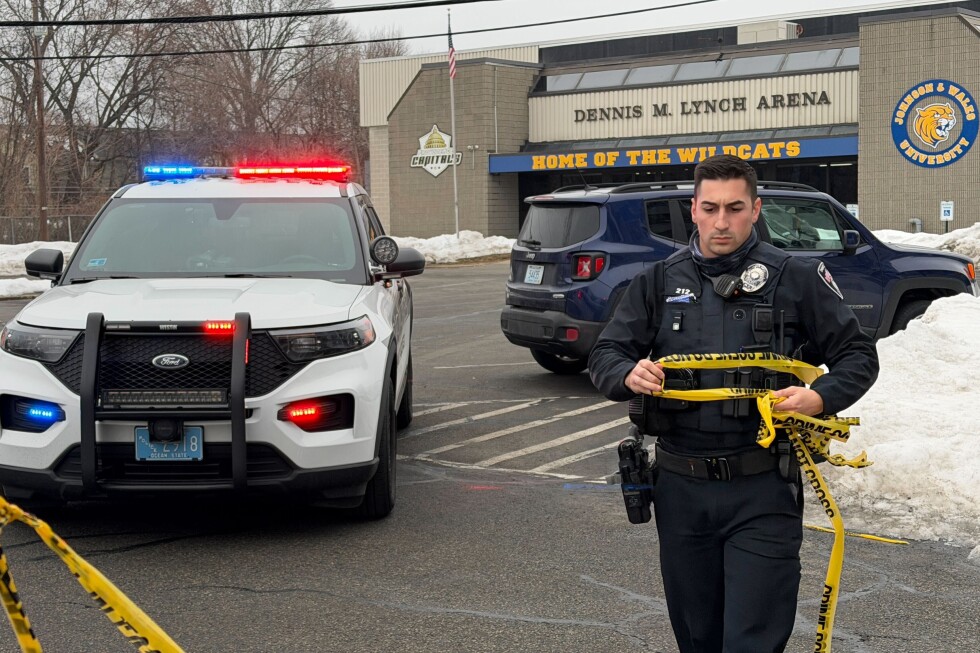
In a heart-wrenching incident that sent shockwaves through the community, a high school ice hockey game in Pawtucket, Rhode Island, became the scene of unspeakable tragedy. On a Monday afternoon, what was meant to be a joyous "senior night" celebration at the Dennis M. Lynch Arena quickly devolved into chaos and sorrow when a gunman opened fire, leaving two people dead and three others critically injured. This devastating Pawtucket Arena Shooting: Motive & Suspect ID'd in Senior Night Tragedy has etched itself into the collective memory of the state, highlighting the fragility of public safety and the profound impact of senseless violence.
The incident, which occurred around 2:30 p.m., drew a rapid and robust response from local law enforcement. Officers arriving at the scene were met with a chaotic environment, quickly working to secure the arena and attend to the wounded. The initial reports confirmed a grim reality: one individual was found deceased at the arena, while another succumbed to their injuries at a nearby hospital. The three other victims, all suffering from gunshot wounds, were rushed to medical facilities in critical condition, fighting for their lives.
The event underscores a chilling reality that public spaces, even those dedicated to community sports and youth activities, are not immune to such horrific acts. For families and friends gathered to celebrate the achievements of young athletes, the sudden onset of violence shattered a moment of pride and camaraderie, replacing it with terror and loss. The echoes of this ice hockey shooting tragedy will undoubtedly resonate for years to come.
Unveiling the Details: Suspect, Motive, and Victims
As the immediate aftermath unfolded, authorities worked tirelessly to piece together the events of that fateful day. Police Chief Tina Goncalves confirmed that the suspected shooter, identified as 56-year-old Robert Dorgan (who also used the names Roberta and Esposito), was found dead at the scene from an apparent self-inflicted gunshot wound. The revelation brought a somber conclusion to the immediate threat, but left a community grappling with profound questions about motive and the nature of the violence.
Investigations quickly revealed that the ice hockey shooting was not a random act of violence. Chief Goncalves indicated it appeared to be a "targeted event," stemming from a family dispute. Dorgan reportedly entered the arena to watch a family member's hockey game, and it was during this time that the shooting occurred. The targeted nature of the attack, while providing some clarity, does little to assuage the grief and shock experienced by those affected.
The two individuals who lost their lives were identified as adults, though their names were not immediately released to the public as the investigation proceeded. The three injured individuals, whose lives hung in the balance, were also adults, further emphasizing the tragic reach of the incident beyond the young athletes on the ice. The families of all involved face an unimaginable journey of healing and remembrance.
In a statement released through an attorney, Dorgan's family expressed their deep sorrow: "We are all deeply and profoundly affected by the recent events that took place at the Dennis M. Lynch Arena... We care greatly for all families impacted by this recent tragedy and our thoughts are with them." Their cooperation with authorities underscored the devastating ripple effect of such events, touching not only the victims but also the families of those who perpetrate violence.
The Courage of a Bystander and the Impact on Senior Night
Amidst the horror of the ice hockey shooting, a glimmer of profound courage emerged. Police Chief Goncalves lauded the actions of a "good Samaritan" who intervened during the incident, crediting their swift action with potentially preventing further loss of life. This brave individual stepped in to try and subdue the gunman, an act of heroism that likely brought a "swift end to this tragic event." The story of this Hero Bystander Intervened in Rhode Island Hockey Rink Shooting serves as a powerful testament to human bravery in the face of extreme danger.
The tragedy struck on "senior night," a cherished tradition celebrating the graduating players from high school hockey teams. Teams from the Coventry-Johnston co-op and the St. Raphael-Providence Country Day-North Providence-North Smithfield co-op were on the ice, making the event a focal point for communities across the state. Mayor Donald Grebien articulated the profound sorrow, stating, "Family and friends were gathered today at a hockey game at Lynch Arena to celebrate senior night, bringing together communities across the state. Instead, an act of senseless violence has taken the lives of two innocent victims, with the suspect taking his own life." The juxtaposition of celebration and devastation left an indelible scar on all who witnessed or were affected by the events.
Adding another layer to the incident, the game was being livestreamed online, meaning the horrific event was inadvertently captured on video. The platform hosting the stream quickly locked access to the footage, demonstrating an effort to prevent further dissemination of the traumatic content and protect those impacted.
Community Resilience and Moving Forward
The Rhode Island ice hockey shooting has plunged Pawtucket and the wider Rhode Island community into a period of mourning and reflection. Such an incident, particularly one occurring at a youth sporting event, profoundly shakes the sense of safety and community cohesion. For the students, coaches, parents, and officials present, the psychological impact will be long-lasting. Providing adequate mental health support and resources will be crucial in the coming months and years to help individuals process the trauma they endured.
In the wake of such tragedies, communities often rally together, offering support to victims' families and demonstrating remarkable resilience. This collective grief can also serve as a catalyst for important conversations about gun violence, mental health, and security measures in public venues. While it is impossible to prevent every act of violence, there are proactive steps that can be taken to enhance safety:
- Enhanced Security Protocols: Arenas and public venues might review and update their security procedures, including potential bag checks, metal detectors, or increased security personnel during high-attendance events.
- Emergency Preparedness Training: Regular drills and training for staff and even volunteers can ensure a coordinated and effective response in critical situations. This includes training on recognizing suspicious behavior and active shooter protocols.
- Mental Health Awareness: Promoting mental health awareness and access to resources can help identify and support individuals who may be struggling, potentially preventing future acts of violence.
- Community Vigilance: Encouraging attendees to "see something, say something" fosters a collective responsibility for safety.
The events at Dennis M. Lynch Arena serve as a stark reminder of the challenges societies face in maintaining peace and security. As investigations continue and the community grapples with the aftermath, the focus remains on supporting the victims, honoring those lost, and striving to prevent such heartbreaking incidents from recurring. The memory of the Rhode Island ice hockey shooting will endure as a call to action for vigilance, compassion, and a commitment to safer communities for all.