Hero Bystander Intervened in Rhode Island Ice Hockey Rink Shooting Tragedy
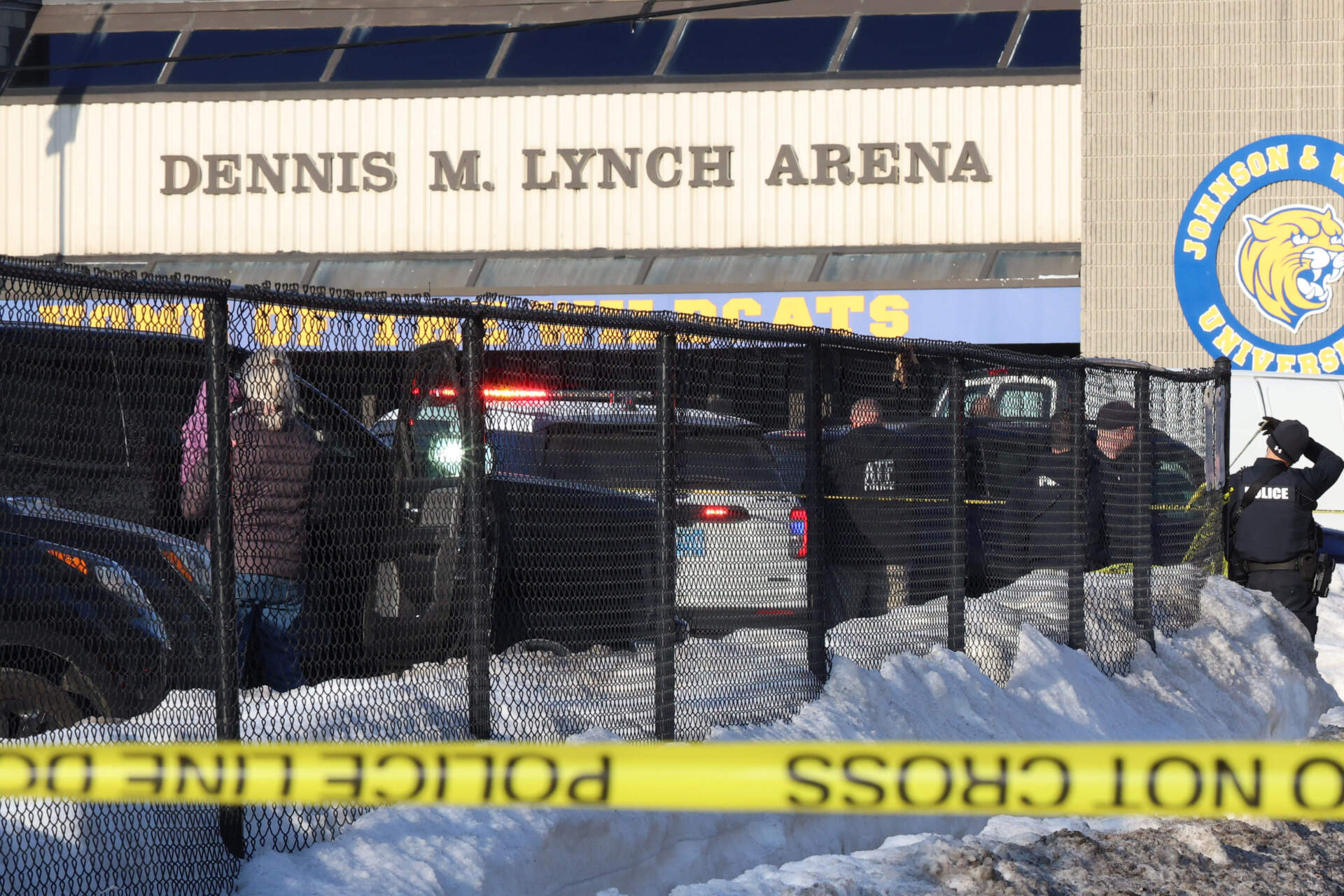
While the phrase "ice hockey shooting" often brings to mind a powerful slap shot or a deft wrist shot on the rink, the tragic events that unfolded in Pawtucket, Rhode Island, at the Dennis M. Lynch Arena cast a dark shadow on this athletic term. On a somber Monday afternoon, a community hub for sports transformed into a scene of unimaginable horror as a gunman opened fire during a high school ice hockey game. This article delves into the harrowing details of the Pawtucket ice hockey rink shooting, acknowledging the profound loss and injury, but also highlighting the extraordinary bravery of an unnamed bystander whose quick actions are credited with preventing an even greater catastrophe. Their selfless intervention served as a beacon of courage amidst chaos, offering a glimmer of hope in a moment of despair.
A Community Shattered: The Pawtucket Arena Incident
The tragedy struck on "senior night" – a celebratory occasion for high school athletes – as teams from Coventry-Johnston co-op and St. Raphael-Providence Country Day-North Providence-North Smithfield co-op faced off. Around 2:30 p.m., the festive atmosphere at Dennis M. Lynch Arena was shattered by the sound of gunfire. Police Chief Tina Goncalves confirmed that officers were immediately called to reports of an active shooter. The devastating toll of the ice hockey rink shooting left two individuals dead and three others critically injured with gunshot wounds. The victims were adults, their lives senselessly cut short during an event meant for community bonding and youthful celebration. This Rhode Island Hockey Rink Shooting: 2 Dead, 3 Injured in Tragedy sent shockwaves far beyond the arena walls, impacting families, schools, and the wider community.
Pawtucket Mayor Donald Grebien expressed the collective grief, calling it a "terrible tragedy" and lamenting that a day intended to celebrate senior athletes turned into an act of "senseless violence." The incident, which was reportedly livestreamed online before access to the video was locked, captured the sudden eruption of violence, leaving an indelible scar on all who witnessed it, directly or indirectly.
Unsung Hero: The Bystander's Crucial Intervention
Amidst the terror and confusion, a truly remarkable act of heroism emerged. A bystander, whose identity has not been publicly released, courageously confronted the shooter, effectively interrupting the unfolding violence. Police Chief Tina Goncalves lauded this individual, stating, "A good Samaritan stepped in and interjected in this scene, and that’s probably what led to a swift end of this tragic event." The bystander reportedly tried to "subdue" the gunman, risking their own life to protect others. This selfless act likely prevented further casualties and demonstrated an extraordinary presence of mind and bravery under unimaginable pressure.
The intervention of this hero bystander underscores the profound impact an individual can have in critical situations. While professional training for active shooter scenarios emphasizes the "Run, Hide, Fight" protocol, with intervention being a last resort, the instincts and courage of this particular individual proved pivotal. Their actions serve as a powerful reminder of the potential for human resilience and self-sacrifice even in the face of extreme danger. It also highlights the importance of situational awareness and the difficult choices individuals may face when confronted with such horrific events.
Unraveling the Motive: A Targeted Family Dispute
As investigations into the ice hockey rink shooting progressed, authorities began to piece together the motive behind the attack. Police identified the suspect as Robert Dorgan, also known as Roberta Dorgan or Esposito, a 56-year-old individual. Chief Goncalves confirmed that the shooting was a "targeted event" stemming from a "family dispute," with one family friend also reportedly involved. It appeared that the suspect entered the arena specifically to watch a family member's hockey game, and "unfortunately, during that time, a shooting occurred." The suspect was later found dead of an apparent self-inflicted gunshot wound, bringing a grim end to the violent incident.
The Dorgan family released a statement through an attorney, expressing their profound pain and loss, and extending their care to all families impacted by the tragedy. They affirmed their cooperation with authorities, with their primary focus being "on all of those who have been injured and whose lives have been forever changed." This detail paints a somber picture of the ripple effects of such an event, tearing not only through the immediate victims and their loved ones but also through the family of the perpetrator. For more on the suspect and motive, refer to Pawtucket Arena Shooting: Motive & Suspect ID'd in Senior Night Tragedy.
Beyond the Headlines: Coping with Community Trauma & Prevention
The Pawtucket ice hockey rink shooting left an indelible mark on the community, particularly on the students, parents, coaches, and spectators who witnessed the horror firsthand. Such traumatic events can have long-lasting psychological effects, necessitating robust community support and mental health resources.
Practical Insights for Community Resilience and Safety:
- Support Systems: It's crucial for communities to establish and promote accessible mental health services, grief counseling, and support groups for those affected, both directly and indirectly. Schools, local government, and non-profit organizations often play a vital role in coordinating these efforts.
- Venue Safety & Emergency Planning: While it's impossible to prevent every act of violence, public venues like sports arenas can enhance safety measures. This includes:
- Clear Emergency Protocols: Ensuring staff are trained in active shooter response, first aid, and evacuation procedures.
- Visible Exits and Wayfinding: Clearly marked emergency exits and easy-to-understand signage can guide people to safety during an emergency.
- Security Assessments: Regular reviews of security infrastructure, including surveillance, access control, and staffing, can identify and address vulnerabilities.
- Communication Systems: Effective public address systems and rapid alert capabilities are essential for communicating critical information during a crisis.
- Bystander Empowerment and Awareness: While the Pawtucket hero acted instinctively, promoting general situational awareness and basic emergency response training can empower individuals. Understanding local emergency numbers, knowing how to provide basic first aid, or recognizing potential threats are all valuable skills. It's important to differentiate between reckless intervention and informed, safe decision-making in a crisis.
- Addressing Root Causes: While the immediate focus is on crisis response, the underlying issues that lead to such violence, such as domestic disputes and mental health crises, also warrant long-term societal attention and preventative strategies.
The tragedy in Pawtucket serves as a stark reminder of the unpredictable nature of violence and the importance of both immediate, courageous responses and sustained community efforts to heal and prevent future incidents.
The Pawtucket ice hockey rink shooting was a horrific event that deeply impacted the Rhode Island community. Two lives were tragically lost, and three others were critically injured, shattering what should have been a joyful "senior night" celebration. Yet, amidst the profound grief and shock, the remarkable bravery of an unnamed bystander stands out—an individual whose selfless act of intervention undoubtedly prevented further bloodshed. This heroism, coupled with the community's efforts to support the victims and their families, offers a testament to the enduring human spirit in the face of unimaginable adversity. As the community continues to heal, the memory of those lost and the courage of the hero bystander will serve as a powerful impetus for increased vigilance, community support, and a collective commitment to fostering safer public spaces for everyone.